
Essential oils have been part of my own health routines for years. I enjoy their versatility, and cedarwood, in particular, has been one of my favorites when I want to create an environment that supports attention and focus.
But a question that's important to ask is: Do essential oils really work—or do we simply enjoy using them?
Estimated reading time: 5 minutes
 Heartmanity is proud to partner with outstanding companies that we wholeheartedly recommend so this post may contain affiliate links. This helps keep our content free for you! You can read our full disclosure here.
Depending on who you ask, essential oils are powerful natural remedies capable of doing everything from calming anxiety to boosting immunity or you may hear that aromatherapy is little more than pleasant smells and placebo.
Neither answer does justice to the evidence.
As you will see, research suggests that certain essential oils and aroma-therapy applications may help with specific symptoms or experiences, including anxiety, sleep quality, and pain. But evidence varies substantially by specific oils, methods of use, population, and outcome. Many broader health claims made about essential oils have little or no convincing human evidence behind them.
So, yes, essential oils may be useful.
But the more important question is: useful for what?
First, What Is Aromatherapy?
Essential oils are highly concentrated mixtures of compounds extracted from plants. Lavender, peppermint, lemon, rosemary, and cedarwood are examples you may recognize.
Aromatherapy generally refers to using these oils therapeutically, most commonly through inhalation or topical application. But those methods aren't interchangeable.
Smelling lavender from a diffuser is a different intervention from applying diluted lavender oil to the skin. Swallowing an essential oil introduces another set of effects and risks entirely.
This distinction becomes especially important when you read claims that “research proves” a particular essential oil works. Before accepting the conclusion, we need to know what researchers actually studied.
Was the oil inhaled? Applied to the skin? Ingested? How much was used? Who used it? What was the quality? And what outcome changed?
Details matter.
How Could Smelling an Essential Oil Affect You?
One explanation you'll frequently hear is that essential oils travel “directly to the limbic system,” where they control emotions, hormones, or brain chemistry.
That's an appealing explanation. It's also an oversimplification.
When you inhale a scent, volatile molecules interact with receptors in the olfactory system. Signals are then processed through interconnected brain regions involved in identifying odors as well as memory, emotion, attention, learning, and behavior.
This explanation helps explain something you've may have experienced without ever touching a bottle of essential oil.
A familiar perfume transports you back twenty years. The smell of bread reminds you of your grandmother's kitchen. A particular scent makes you feel relaxed because you associate it with a favorite place.
Smell and emotional experience are closely intertwined.
Some essential-oil constituents have demonstrated biological activity under particular experimental conditions, although that doesn't tell us whether ordinary aromatherapy use produces a meaningful health effect in people.
Whether something produces a benefit and why it produces that benefit are two different scientific questions.
We don't have to know every mechanism before something can be useful. We do, however, need to be careful about claiming mechanisms science hasn't established.
So, Do Essential Oils Really Work?
Here's the most scientifically responsible answer:
For some purposes, research suggests essential oils and aromatherapy may help. For many others, we simply don't know yet.
That's not evasive. It's what happens when we stop treating hundreds of different plant compounds and dozens of possible health outcomes as one intervention.
A 2023 meta-analysis, for example, reported that inhaled and massage aromatherapy were associated with reductions in anxiety across the studies analyzed. Yet the researchers also reported considerable variation among studies.
Other systematic reviews have found potentially beneficial results for outcomes such as sleep and pain. Again, the quality and certainty of the evidence aren't identical across every oil, population, or application.
This is why “Are essential oils scientifically proven?” isn't quite the right question.
A better set of questions would be: Which oil? Used how in what quantity and frequency? For what purpose? In whom? And supported by what quality of evidence?
Now we're asking questions science can actually answer.
Related reading: "Lavender Essential Oil: 10 Practical Uses and Benefits."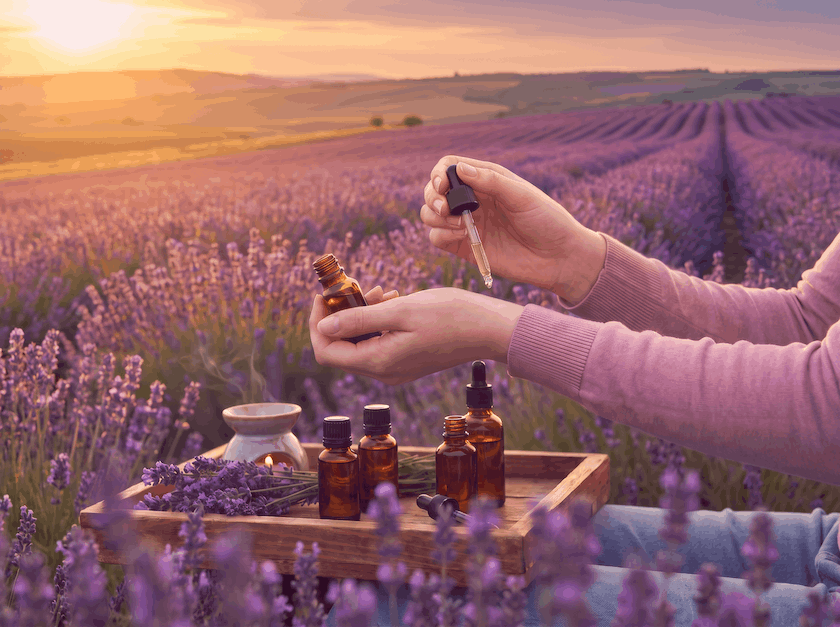
Where Aromatherapy Has the Most Promising Evidence
Anxiety and Situational Stress
Anxiety is one of the more frequently studied applications of aromatherapy.
A meta-analysis published in Frontiers in Public Health examined randomized controlled trials of aromatherapy for anxiety and found significant reductions in anxiety measures overall. The authors nevertheless noted substantial heterogeneity among studies—meaning the studies differed in important ways.
That distinction matters.
Research showing that aromatherapy reduced self-reported anxiety in certain circumstances does not establish that an essential oil treats an anxiety disorder.
It may mean, for example, that inhaling a particular scent before a medical procedure helps some people feel less anxious. That's worthwhile. But it isn't equivalent to treating a clinical condition.
Lavender is among the most extensively studied oils in this area, although studies vary in formulation and administration. This is another reason we shouldn't take evidence for one lavender preparation and automatically generalize it to every lavender product or every essential oil.
Related reading: "8 Surprising Uses for Essential Oils."
Sleep Quality
Sleep is another area where aromatherapy research is encouraging—but needs context.
Systematic reviews have reported improvements in sleep-quality measures in some populations using aromatherapy. Lavender appears frequently in this research.
What does that mean in everyday life?
Taken together, the research suggests aromatherapy may be a useful complementary practice for supporting relaxation and perceived sleep quality for some people, although further research is still needed.
When we stop expecting a scent to “fix” sleep, we can use it for something much more reasonable: supporting the behaviors and environment that help us prepare for it.
Pain and Temporary Discomfort
Research has also examined aromatherapy for pain in settings ranging from menstrual discomfort to procedural and postoperative pain.
A 2016 meta-analysis of 12 studies found lower reported pain scores among participants receiving aromatherapy compared with control conditions. Because the studies varied considerably in the types of pain and aromatherapy interventions studied, the findings don't establish aromatherapy as a general treatment for pain.
Aromatherapy may help some people feel more comfortable alongside appropriate treatment. That's quite different from claiming that essential oils treat the underlying cause of pain.

When Nausea Makes Everything Feel Uncomfortable
Nausea is one of those sensations that can make you want to change your environment immediately. Strong smells, food aromas, movement, or even a stuffy room may suddenly feel like too much.
If you already enjoy essential oils, scent can simply be approached as a personal comfort preference during those moments. I've found applying peppermint oil (diluted with almond or coconut oil) directly to the abdomen soothing.
You might find a particular aroma pleasant and refreshing—or discover that when you feel nauseated, you don't want additional scent at all.
Rather than thinking of an essential oil as something that treats nausea, think about the experience you're trying to create. Would fresh air feel better? A quieter room? Fewer smells? A scent you personally associate with freshness or comfort?
Each person's preference is unique.
Where Essential-Oil Claims Get Ahead of Science
This area is where we need to become more discerning.
Laboratory research has found that some essential oils and individual constituents can inhibit or kill certain bacteria and fungi under test conditions. Activity varies greatly by oil, constituent, organism, concentration, and testing method; these findings do not establish that an oil safely or effectively treats infection in people.
But here's the leap we cannot make: An oil that killed microbes in a laboratory dish translates to an essential oil prevents or treats infection when you diffuse the oil at home.
Those are entirely different claims, and the evidence for one cannot be generalized to the other.
Laboratory studies allow researchers to expose microorganisms directly to particular concentrations of a substance under controlled conditions. Your lungs, bloodstream, immune system, skin, and living room aren't petri dishes.
The same caution applies to claims that essential oils boost immunity, balance hormones, detoxify the body, cause meaningful weight loss, kill viruses inside the body, or broadly heal disease.
Some of these ideas may begin with biological plausibility or preliminary laboratory research. Others are largely marketing language.
Neither equals clinical evidence even when studies are encouraging.
Think of scientific evidence as a progression. A promising effect in cells can justify further research. Animal studies may tell us more. Early human studies can help determine safety and whether an effect appears possible. Well-designed clinical trials and systematic reviews then help us determine whether an intervention reliably benefits people.
Hopeful is not the same as proven. And natural is not a synonym for either safe or effective.
 But Isn't Aromatherapy Just a Placebo Effect
This question deserves more than a dismissive yes or no.
Expectation and context can influence how we experience subjective outcomes such as pain, relaxation, mood, and discomfort. So can attention, conditioning, environment, previous experience, and ritual.
Those effects aren't imaginary.
Suppose you diffuse lavender each evening while dimming the lights, putting away your phone, reading, and slowing down. Eventually, the scent itself may become associated with bedtime.
Does lavender contain chemical constituents that could contribute to the experience? Possibly.
Could learned association, expectation, and the entire bedtime ritual contribute, too?
Absolutely.
Human experience doesn't occur in a laboratory vacuum.
This fact is why asking whether aromatherapy is “just placebo” can miss the more practical question. If a safe sensory ritual helps you slow down, become present, or consistently practice another healthy behavior, it can have value even when we cannot attribute every part of that experience to a specific molecule.
At the same time, expectation and ritual shouldn't automatically be assumed to explain every difference observed in controlled studies. Determining why an effect occurs requires appropriately designed research.
The goal isn't to prove essential oils deserve credit for everything you may experience. It's to understand what they can reasonably contribute and how they might fit into the environment and health habits that support your well-being.
Essential Oils Are Natural—But Are They Safe?
“It's natural” may be one of the most misleading shortcuts in the wellness space.
Essential oils are concentrated substances. They can cause adverse effects when used improperly, and safety varies by oil, concentration, route of administration, and individual.
According to the National Center for Complementary and Integrative Health (NCCIH), essential oils used in aromatherapy are most often inhaled or applied to the skin. Skin irritation and allergic reactions can occur.
Practical Guidelines for Essential Oils and Their Safe Use
A few practical principles matter:
- Don't assume undiluted topical use is appropriate. Concentrated oils may irritate or sensitize skin.
- Some oils are phototoxic. Certain citrus oils applied to skin can increase sensitivity to ultraviolet light.
- Don't ingest essential oils based on general wellness advice or assume that an oil that's safe to smell is safe to swallow. Oral use has different risks and should be evaluated separately with appropriate professional guidance.
- Use additional caution with children. Age, concentration, route, and the specific oil should be considered.
- Pregnancy and breastfeeding deserve additional consideration. Safety data for many oils are limited during these times and can have adverse effects.
- Consider pets and other people sharing the environment. An exposure that seems mild to you may not be appropriate for everyone in the room.
- Medical conditions and medications are a factor. If you have a health condition, take medication, or are considering therapeutic use of an essential oil, qualified professional guidance may be appropriate.
And remember: commercially availability doesn't automatically mean universally safe. Natural substances deserve respect and should not used carelessly.
How to Tell Whether an Essential-Oil Claim Is Credible
You don't need a PhD to become a better consumer of wellness research. You just need to know which questions to ask.
1. Was the research actually done in humans?
If a headline says an essential oil “kills cancer cells” and the research was performed on isolated cells in a laboratory, you are not reading evidence that the oil treats cancer in people.
Always check. Do independent and impartial research.
2. Was that specific essential oil studied?
Evidence involving lavender isn't evidence for cedarwood, rosemary, frankincense, or an essential-oil blend.
Plants contain different chemical constituents and potencies.
3. How was the oil used?
Inhalation, diluted topical application, massage with essential oil, and ingestion are different interventions.
A finding from one route cannot automatically be transferred to another.
4. What did researchers actually measure?
Measurement may be the most important question and is often nebulous.
“Participants reported less situational anxiety” does not mean “the oil treats anxiety disorders.”
“Participants reported better sleep quality” does not mean “the oil cures insomnia.”
Don't accept claims at face value. Responsible consumer use and enhanced knowledge is a good practice.
5. How strong was the study?
A small pilot study can be valuable because it gives researchers a reason to investigate further.
It isn't definitive proof.
Look for randomized controlled trials, systematic reviews, and meta-analyses—and even then, pay attention to study quality, sample sizes, consistency, and limitations.
6. Has the result been replicated?
One exciting study makes a headline. Consistent findings across multiple rigorous studies make a stronger case.
I've been using essential oils for thirty years and can tell you that in each use, I respond differently to varying oils and amounts. Some I must dilute when using topically; others are mild enough undiluted. In addition to acquainting yourself with research, pay close attention to your own body's preferences and responses. 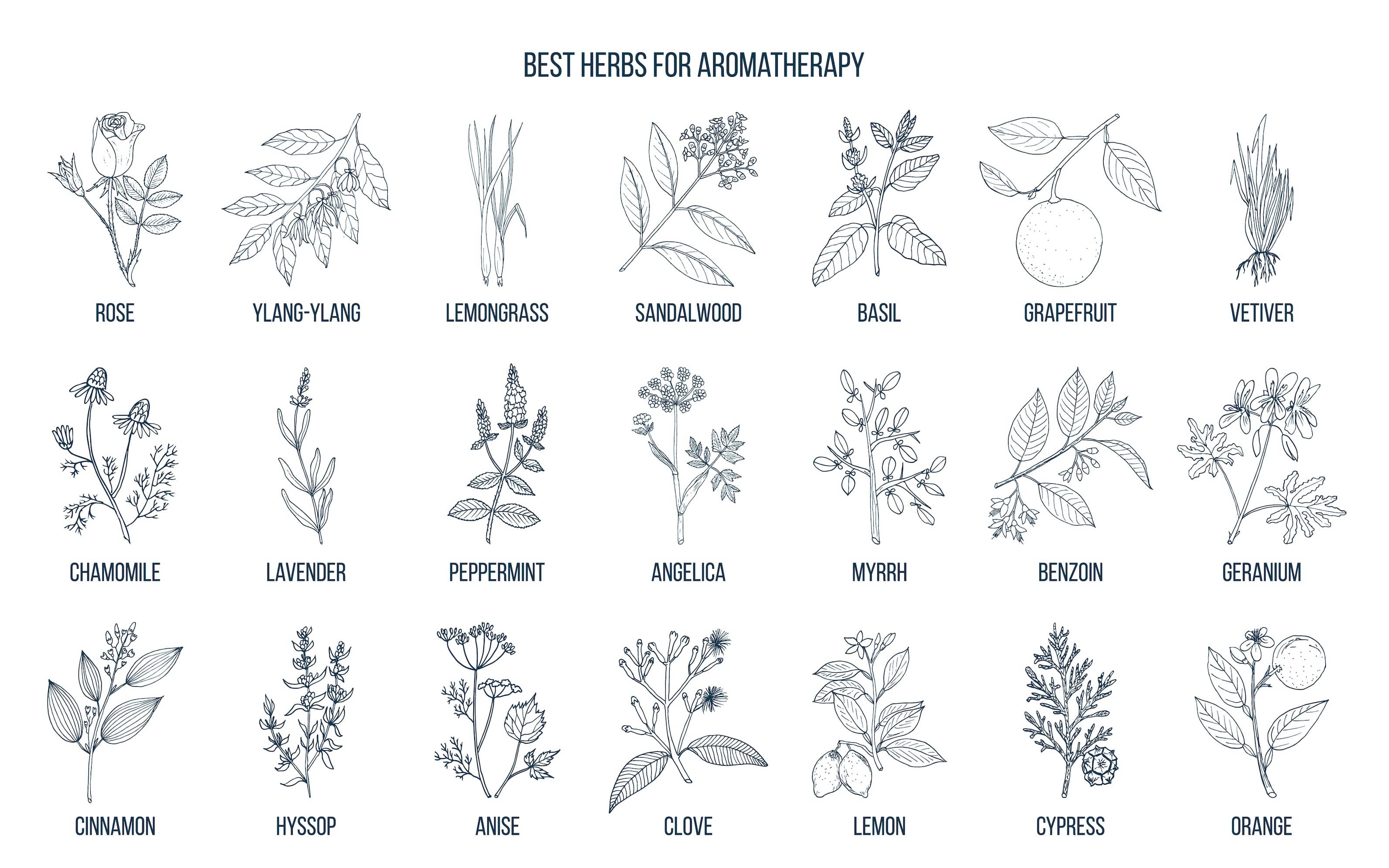
A Practical Way to Think About Essential Oils
Essential oils are a part of my daily routine because I believe they genuinely enhance the quality of my life. I frequently have lavender in a diffuser just because I love the fragrance but use a stronger scent like eucalyptus for lung support during cold season.
Lavender doesn't create healthy sleep habits for you. But you might enjoy making it part of a bedtime ritual that includes dimming the lights, putting away your phone, and allowing your mind and body to transition toward rest.
A refreshing scent may not create mental clarity on command, but it might become a sensory cue for closing distractions, taking a pause, and beginning focused work.
A calming aroma doesn't teach you stress-management skills. However, it can remind you to stop, breathe, stretch, meditate, or give yourself a few quiet minutes before moving into the next part of your day.
What changes when we examine the evidence isn't necessarily whether we use essential oils or not. It's what we expect them to do.
This distinction is central to a holistic approach to health.
Let essential oils support healthy habits rather than asking essential oils to do the work of healthy habits.
When we use them this way, they don't have to cure disease to earn a legitimate place in our lives.
They simply have to be used safely and understood for what they are. Even though essential oils are made from natural sources doesn't mean they shouldn't be respected for their power and effects.
Related reading: "Essential Oils to Calm Anxiety and Secure a Balanced Mind."
The Bottomline: Essential Oils Are a Useful Tool, Not a Cure-All
So, do essential oils really work?
Sometimes—and for some purposes.
Human research suggests certain aromatherapy applications may offer benefits for outcomes such as situational anxiety, sleep quality, and pain. Evidence is still building for other applications and is preliminary.
You don't have to choose between loving essential oils and loving good science.
I don't.
Curiosity lets us utilize both.
Enjoy the variety of scents. Appreciate the ritual. Pay attention to what genuinely helps you. And when someone makes a health claim, ask what was actually studied before allowing “natural” or “scientifically proven” to make the decision for you.
Essential oils can be a supportive practice within a healthy lifestyle.
Related reading: "Back to School Essential Oils to Support Your Kid's Health."

Frequently Asked Questions
How does aromatherapy work?
When you inhale a scent, odor molecules interact with receptors in the olfactory system, and the resulting signals are processed through brain networks involved in smell, memory, emotion, attention, and behavior. Sensory experience, learned associations, expectations, and the chemical constituents of specific oils may all contribute to an aromatherapy experience, and researchers are still investigating the mechanisms behind particular effects.
Is aromatherapy scientifically proven?
There is scientific evidence supporting some aromatherapy applications, but aromatherapy as a whole cannot be labeled simply “proven” or “unproven.” Each oil, method of use, and intended outcome needs to be evaluated separately.
Do essential oils work for anxiety?
Meta-analyses have found reductions in anxiety measures with aromatherapy in some settings and populations, although study quality and results vary. This data does not establish essential oils as a treatment for anxiety disorders or a replacement for appropriate mental-health care.
Do essential oils help with sleep?
Research suggests aromatherapy—often involving lavender—may improve subjective sleep quality in some people. This statement is different from evidence that an essential oil treats chronic insomnia or another sleep disorder.
Are essential oils safe?
Essential oils can be used safely in many circumstances, but they are highly concentrated and can cause irritation, allergic reactions, or other adverse effects. Safety depends on the specific oil, concentration, method of use, age, health status, medications, and other individual factors. Natural does not automatically mean safe.
Use them wisely and enjoy!
This article is for educational purposes and is not intended as medical advice or as a substitute for diagnosis or treatment from a qualified healthcare professional. Essential-oil safety varies by oil, method of use, health status, age, medications, pregnancy, and other individual factors.